-
A-A+
- Українською
- 中文
- Українською
- 中文
English
English
May 18 - a Day of Remembrance of the Victims of the Crimean Tatars Genocide
18 May 2020 11:05
On May 18, 2020, 76 years of the deportation of Crimean Tatars, executed in 1944, by the Soviet regime.
The Stalinist regime accused all Crimean Tatars of collaboration with the Nazis who occupied Crimea between 1941-1944, and 191 of these, including babies, were deported in two days to remote Asian regions of the USSR.
The fact that the families of 9 Crimean Tatars fought fascists in the Red Army, being also deported, testifies that the Kremlin needed ethnic cleansing, and the charges were the solution.
People from the interior of Russia went to Crimea, occupying the 80 homes left by the deported indigenous people. It is the descendants of these Russian settlers who today form the basis of that part of the Crimean population that supports Russian annexation, about which the Kremlin likes to refer so much.
For more than 20 years, Soviet authorities have completely denied the criminal nature of their actions. In 1967, the USSR parliament recognized the totally unsubstantiated action against Crimean Tatars, but unlike the other "punished peoples", they had no right to return to Crimea. Only in 1989, deportation was considered illegal and criminal by the Soviet parliament. However, Moscow has always prevented Crimean Tatars from returning to their homeland, and mass repatriation began after the proclamation of Ukraine's independence. Ukraine itself has assumed all expenses in this process. In 2013, 266 Tatars returned to the homeland, representing 13,7 % of the population of the peninsula.
Illegal annexation of Crimean by the Russian Federation in February 2014 made the problem of Crimean Tatar s' fight for their rights today.
During just the first year after the illegal annexation of the Ukrainian peninsula, more than 150 Crimean Tatars were subjected to "selective justice", 21 disappeared without a trace or were killed, and Mejlis was deprived of its headquarters and The opportunity to conduct a dialogue with the state authorities of the "Crimean Republic". It should be noted that, in the sixth year of annexation of the Ukrainian peninsula, the persecution of the Crimean Tatar people by the occupation administration increased.
It is known that on April 13, 2016, the Russian occupation administration suspended the activity of the Mejlis of the Tatar People of Crimea. On April 26, 2016, the illegal judicial body of the occupying state decided to ban Mejlis of the Tartarus people of Crimea on charges of "extremist activities" and, on September 29, 2016, the Supreme Court of the Russian Federation confirmed this decision.
The Mejlis ban allows the occupying power to sue about 2.500 members of Mejlis national and local bodies, with sentences up to 8 years in prison for belonging to an "extremist organization". These measures apply to representatives of national and local institutions participating in groupings, in villages or on the streets, therefore, such a ban allows the occupying authorities to accuse virtually all Crimean Tatars of extremist activities.
Occupation power constantly manufactures criminal cases with political motivation, in order to present Mejlis as an "extremist organization". The persecution of members of the national institutions of Crimean Tatars is based on absurd causes, in particular, shelter from extremists , sabotage, extortion, possession of drugs and guns, etc.
The current trend is periodic mass arrests of Crimean Tatars under the artificial guise of combating extremism.
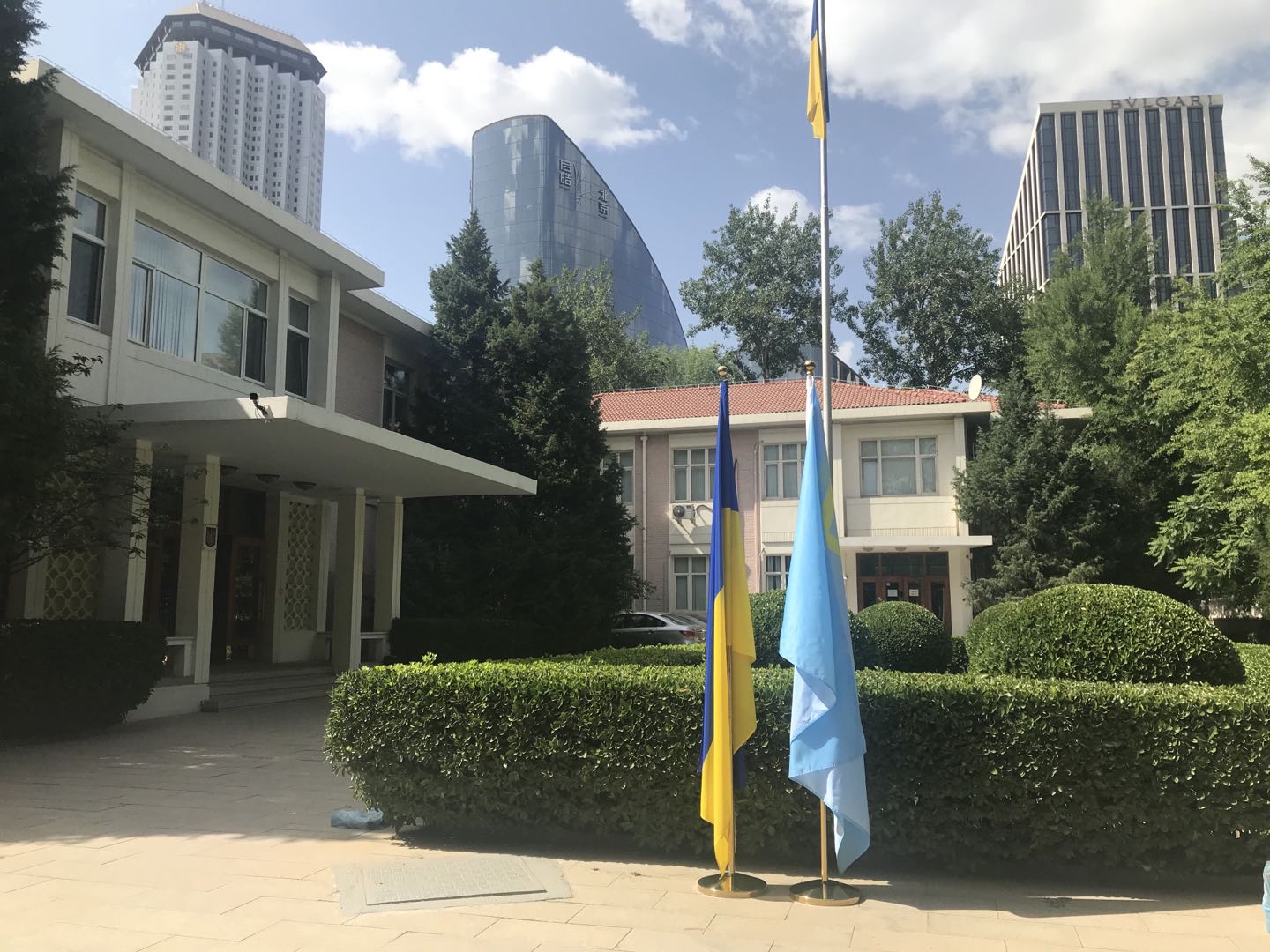
There have been widespread violations of the rights of Mejlis members to freedom of expression and assembly, provided for by the various international human rights instruments. During the period of occupation, hundreds of people were persecuted for participating in Crimea Flag Day celebrations, a's Tatar, a day on which the Deportation of the Tatar People of Crimea, on May 18th.
Without a doubt, the Mejlis ban is part of the occupying power campaign to discredit Crimean Tatars. As a result of this policy, the system of national institutions of Crimean Tatars in the occupied territory of the peninsula was almost destroyed and the national leaders of these people were forced to leave the peninsula, which, due to persecution, cannot return home.
On April 19, 2017, the United Nations International Court of Justice issued a provisional order based on the implementation of the International Convention on the Financing of Terrorism and the International Convention for the Elimination of All Forms of Racial Discrimination ( Ukraine's action against Russia), forcing the Russian Federation "to refrain from applying restrictions on the rights of the Crimean Tatar people and to keep the institutions representative of these people, including Mejlis".
However, Russia deliberately ignores this court order. Such behaviour by Russia is a violation of the rules of international law.
In such conditions, tribute to the victims of the deportation of the Crimean Tatar people at national level and the show of solidarity in the fight for the restoration of their rights are of vital importance to Ukraine, but also internationally.
The Verkhovna Rada of Ukraine, by Resolution N. º 792-VIII of November 12, 2015, recognized the deportation of Crimean Tatars in 1944 as a genocide of the Tatar people of Crimean and established May 18 in Ukraine as the Day of Remembrance to the Victims of Crimean Tartar Genocide.
The Ukrainian parliament declared that systematic pressure on the Crimean Tatar people, the repression of Ukrainian citizens due to their nationality, the organization of ethnically and politically motivated persecutions of Crimean Tatars and their organs, such as Mejlis, in the Temporarily occupied territory of Ukraine by the state bodies of the Russian Federation, since the beginning of the temporary occupation, reflect a deliberate policy of the genocide of the Crimean Tatar people.